Introduction
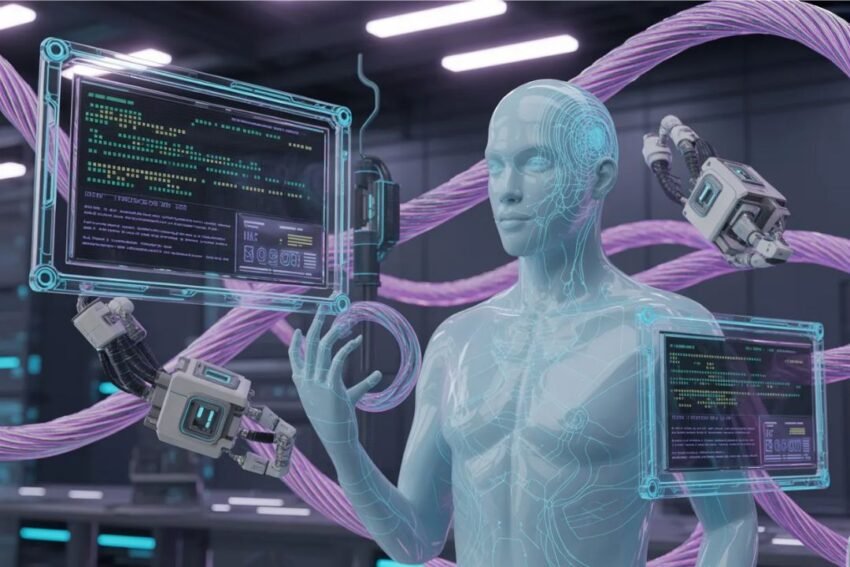
Artificial Intelligence (AI) is rapidly transforming the technological landscape and shaping the future of innovation across industries. As we move deeper into the digital era, AI is no longer just a research concept—it is now the driving force behind many of the world’s most advanced technologies. From intelligent healthcare systems to self-driving cars and smart cities, AI-powered innovations are redefining how people live, work, and interact with technology.
The rapid growth of computing power, cloud infrastructure, big data, and machine learning algorithms has enabled artificial intelligence to evolve faster than ever before. Today, AI can analyze massive amounts of information, detect patterns, automate complex tasks, and even create new content.
In the coming years, AI is expected to power some of the most revolutionary technological innovations the world has ever seen. These innovations will not only improve efficiency and productivity but also solve global challenges in healthcare, transportation, energy, education, and environmental sustainability.
In this article, we explore the Top 10 Future Tech Innovations Powered by Artificial Intelligence that are expected to shape the world in the coming decades.
1. Autonomous Vehicles
Autonomous vehicles, also known as self-driving cars, are among the most exciting AI-powered innovations. These vehicles use artificial intelligence, sensors, cameras, radar, and machine learning algorithms to navigate roads without human intervention.
AI systems analyze traffic conditions, recognize objects such as pedestrians and vehicles, and make real-time driving decisions. Autonomous transportation has the potential to significantly reduce road accidents caused by human error.
Future benefits of AI-powered vehicles include:
- Reduced traffic congestion
- Improved fuel efficiency
- Safer road transportation
- Enhanced mobility for elderly and disabled individuals
As AI technology continues to advance, fully autonomous transportation systems could become a common feature in smart cities worldwide.
2. AI-Powered Healthcare and Medical Diagnosis
Healthcare is experiencing a major transformation due to artificial intelligence. AI-powered medical technologies can analyze medical images, patient records, and genetic data to assist doctors in diagnosing diseases more accurately and quickly.
Future AI healthcare innovations include:
- AI-assisted radiology and imaging
- Early detection of diseases such as cancer and heart conditions
- AI-powered robotic surgery
- Personalized medicine based on genetic data
- Virtual health assistants for patient care
These technologies are expected to improve patient outcomes, reduce healthcare costs, and make advanced medical services more accessible globally.
3. Smart Cities and Urban Infrastructure
AI is playing a crucial role in the development of smart cities. By integrating artificial intelligence with Internet of Things (IoT) devices, cities can manage infrastructure more efficiently.
AI-powered smart city systems can monitor traffic, control energy usage, optimize waste management, and enhance public safety.
Key smart city innovations include:
- Intelligent traffic management systems
- AI-driven energy grids
- Smart surveillance and public safety systems
- Predictive maintenance for infrastructure
- AI-based environmental monitoring
These technologies will help cities become more sustainable, efficient, and livable for growing urban populations.
4. Generative AI and Content Creation
Generative AI is one of the fastest-growing fields in artificial intelligence. This technology allows machines to create original content such as text, images, music, videos, and software code.
AI-powered content generation tools are already transforming industries such as marketing, entertainment, media, and software development.
Future applications of generative AI include:
- Automated video and film production
- AI-generated digital art and music
- Content creation for blogs and marketing
- Game development and storytelling
- AI-assisted programming and software design
Generative AI will dramatically increase productivity while enabling new forms of creativity and innovation.
5. AI-Powered Robotics
Robotics combined with artificial intelligence is revolutionizing manufacturing, logistics, and service industries. AI-powered robots can learn from their environment, adapt to new tasks, and collaborate with humans.
Future robotic innovations include:
- Intelligent factory automation
- Warehouse logistics robots
- AI-powered delivery drones
- Household service robots
- Disaster response and rescue robots
These robots will handle dangerous, repetitive, and physically demanding tasks while improving workplace safety and efficiency.
6. Personalized AI Assistants
AI-powered virtual assistants are becoming more intelligent and capable every year. Future AI assistants will go far beyond simple voice commands.
Advanced AI assistants will be able to understand context, predict user needs, and perform complex tasks autonomously.
Potential capabilities include:
- Managing schedules and daily activities
- Automating home devices in smart homes
- Providing personalized recommendations
- Assisting with work productivity
- Acting as digital companions for communication and support
These assistants will become an essential part of everyday digital life.
7. AI in Education and Personalized Learning
Artificial intelligence is transforming the way people learn. AI-powered education systems can analyze students’ learning behavior and create personalized learning paths tailored to individual needs.
Future innovations in AI education include:
- AI-based tutoring systems
- Intelligent virtual classrooms
- Automated grading and feedback
- Adaptive learning platforms
- Career skill development based on AI analytics
These technologies will help students learn more effectively while making education accessible to people around the world.
8. AI-Powered Cybersecurity
As digital systems become more complex, cybersecurity threats are also increasing. Artificial intelligence is playing a crucial role in protecting data and digital infrastructure.
AI cybersecurity systems can detect unusual patterns, identify threats in real time, and respond to cyberattacks automatically.
Future AI cybersecurity innovations include:
- AI-driven threat detection systems
- Automated incident response
- Behavioral analysis for fraud detection
- Advanced malware detection
- Predictive cybersecurity analytics
These technologies will help organizations stay ahead of evolving cyber threats.
9. AI in Climate Change and Environmental Protection
Artificial intelligence is also being used to address global environmental challenges. AI systems can analyze environmental data, monitor ecosystems, and optimize energy consumption.
Future AI-driven environmental innovations include:
- Climate prediction and modeling
- AI-powered renewable energy optimization
- Smart agriculture for sustainable food production
- Wildlife monitoring and conservation
- AI-based pollution tracking systems
By providing better insights and predictive capabilities, AI can help governments and organizations make smarter decisions to protect the planet.
10. Artificial General Intelligence (AGI)
One of the most ambitious goals in AI research is the development of Artificial General Intelligence (AGI). Unlike current AI systems that specialize in specific tasks, AGI would have the ability to perform any intellectual task that a human can do.
Although AGI is still under development, researchers believe it could transform science, medicine, engineering, and many other fields.
Potential impacts of AGI include:
- Accelerated scientific discoveries
- Advanced problem-solving capabilities
- Intelligent decision-making systems
- Breakthrough innovations across industries
While AGI remains a long-term vision, it represents the ultimate frontier of artificial intelligence.
The Role of AI in the Future Global Economy
Artificial intelligence is expected to become one of the most valuable technologies in the global economy. Businesses are investing heavily in AI to improve productivity, automate operations, and gain competitive advantages.
AI-driven innovation is creating entirely new industries such as:
- AI software development
- Data science and analytics
- Autonomous systems engineering
- Robotics and automation technologies
- AI ethics and governance
As a result, demand for AI professionals and digital skills will continue to grow in the coming years.
Challenges of AI Innovation
Despite its enormous potential, AI-powered technologies also present several challenges.
Some major concerns include:
- Ethical use of artificial intelligence
- Data privacy and security
- Job displacement due to automation
- Bias in AI algorithms
- Regulation and governance of advanced AI systems
Addressing these challenges will require collaboration between governments, technology companies, researchers, and society.
Conclusion
Artificial Intelligence is powering some of the most exciting technological innovations of the 21st century. From self-driving cars and smart cities to personalized education and advanced healthcare systems, AI is transforming nearly every aspect of modern life.
The Top 10 Future Tech Innovations Powered by Artificial Intelligence highlight how this technology will continue to reshape industries, create new opportunities, and solve complex global challenges.
While there are still obstacles to overcome, the future of AI innovation looks incredibly promising. As research continues and AI systems become more advanced, the world is entering a new era of intelligent technology that will redefine the way humanity lives and works.
Artificial intelligence is not just a technological advancement—it is the foundation of the next global innovation revolution.