Introduction
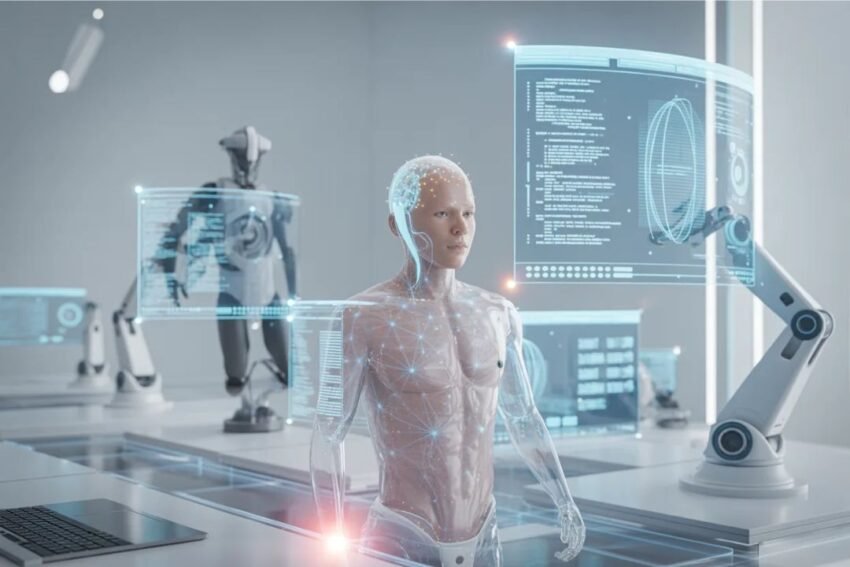
Technology is evolving faster than ever, and 2026 is shaping up to be a pivotal year for innovation. Among the most influential forces driving this transformation are Artificial Intelligence (AI), robotics, and smart automation. These technologies are rapidly reshaping industries, redefining productivity, and creating new possibilities for businesses and individuals.
In recent years, advancements in machine learning, data processing, robotics engineering, and cloud computing have accelerated the development of intelligent systems. Today, companies are using AI-driven solutions to automate complex processes, improve decision-making, and deliver smarter services to customers.
Robotics and automation are also expanding beyond factories and industrial environments. From healthcare robots and delivery drones to smart homes and intelligent infrastructure, these technologies are becoming an essential part of everyday life.
This article explores the future tech trends in AI, robotics, and smart automation in 2026, highlighting how these innovations are shaping industries, improving efficiency, and transforming the global economy.
The Rise of Artificial Intelligence in 2026
Artificial Intelligence has become the foundation of many modern technologies. AI systems are capable of analyzing vast amounts of data, identifying patterns, and making intelligent decisions without constant human intervention.
In 2026, AI is being used in a wide range of sectors including healthcare, finance, transportation, education, and manufacturing. Businesses rely on AI to automate operations, predict customer behavior, and optimize workflows.
Some of the key areas where AI is making a major impact include:
- Predictive analytics and data insights
- Intelligent automation of business processes
- AI-powered virtual assistants
- Smart cybersecurity systems
- Personalized digital experiences
As AI algorithms continue to improve, machines are becoming more capable of handling complex tasks that once required human intelligence.
Robotics: The Next Generation of Intelligent Machines
Robotics technology has advanced significantly over the past decade. Modern robots are no longer limited to simple mechanical movements. With the integration of artificial intelligence, robots can now learn from their environment, adapt to new situations, and work collaboratively with humans.
In 2026, intelligent robots are widely used in industries such as:
- Manufacturing and production
- Healthcare and medical assistance
- Logistics and warehouse management
- Agriculture and food production
- Disaster response and rescue operations
Collaborative robots, also known as cobots, are designed to work safely alongside human workers. These robots assist with repetitive tasks, heavy lifting, and precision work, helping companies improve productivity while reducing workplace injuries.
The development of robotics is also leading to new innovations such as robotic delivery systems, household service robots, and autonomous drones.
Smart Automation: Transforming Business Operations
Smart automation combines artificial intelligence, machine learning, and robotic process automation (RPA) to streamline complex workflows.
Unlike traditional automation, which relies on predefined instructions, smart automation systems can analyze data, learn from patterns, and make decisions dynamically.
Businesses are increasingly adopting smart automation to improve efficiency and reduce operational costs.
Key applications include:
- Automated customer service systems
- Intelligent document processing
- Supply chain optimization
- Financial transaction automation
- Predictive maintenance for equipment
By automating routine and time-consuming tasks, organizations can focus on innovation and strategic growth.
AI, Robotics, and Automation in Manufacturing
Manufacturing is one of the industries most heavily influenced by AI and robotics. Smart factories are becoming more common, where machines communicate with each other and optimize production processes automatically.
These intelligent manufacturing systems can:
- Monitor equipment performance in real time
- Detect production defects using computer vision
- Adjust production schedules based on demand
- Predict machine maintenance needs
The integration of AI and robotics in manufacturing improves productivity, reduces waste, and increases product quality.
This trend is often referred to as Industry 4.0, representing the fourth industrial revolution driven by digital technologies.
AI-Powered Healthcare and Medical Robotics
Healthcare is another sector experiencing rapid transformation due to AI and robotics.
Medical professionals are using AI systems to analyze patient data, detect diseases earlier, and recommend personalized treatment plans.
Meanwhile, medical robots are assisting in surgeries that require extreme precision. Robotic surgical systems allow doctors to perform minimally invasive procedures with improved accuracy.
Other healthcare innovations include:
- AI-powered diagnostic tools
- Robotic rehabilitation systems
- Intelligent patient monitoring devices
- Automated hospital management systems
These technologies help improve patient outcomes while making healthcare services more efficient and accessible.
Autonomous Transportation and Delivery Systems
Transportation is undergoing a major transformation thanks to AI and robotics. Autonomous vehicles, drones, and smart traffic systems are becoming key components of modern transportation infrastructure.
Self-driving vehicles use AI algorithms, cameras, sensors, and real-time data to navigate roads safely. Meanwhile, delivery drones and robotic couriers are beginning to revolutionize logistics and e-commerce delivery services.
Benefits of AI-driven transportation include:
- Reduced traffic accidents caused by human error
- Faster and more efficient delivery services
- Improved traffic management in urban areas
- Lower transportation costs for businesses
Although fully autonomous transportation systems are still evolving, significant progress is being made each year.
Smart Homes and Intelligent Living
AI and automation are also transforming how people live at home. Smart home technologies use AI to automate everyday tasks and improve convenience.
AI-powered smart homes can include:
- Voice-controlled assistants
- Smart lighting and climate control
- Intelligent security systems
- Energy management devices
- Automated household appliances
These technologies allow homeowners to control and monitor their homes remotely through smartphones or voice commands.
As smart home ecosystems expand, AI will play an even greater role in creating personalized and energy-efficient living environments.
AI in Cybersecurity and Data Protection
As digital systems become more advanced, cybersecurity threats are also becoming more sophisticated. Artificial intelligence is helping organizations defend against cyberattacks by identifying threats faster than traditional security systems.
AI-based cybersecurity tools can:
- Detect unusual network activity
- Identify malware and phishing attacks
- Monitor system vulnerabilities
- Respond to threats automatically
By analyzing large amounts of security data in real time, AI systems can help prevent cyber incidents before they cause serious damage.
Economic Impact of AI and Automation
The adoption of AI, robotics, and smart automation is expected to significantly impact the global economy.
These technologies increase productivity by allowing businesses to operate more efficiently and reduce operational costs. At the same time, they create new industries and job opportunities in fields such as:
- Artificial intelligence development
- Robotics engineering
- Data science and analytics
- Cybersecurity
- Automation system design
While automation may replace certain repetitive jobs, it also encourages workforce transformation and the development of new digital skills.
Countries that invest in AI education, research, and infrastructure are likely to lead the global technology economy in the future.
Ethical and Social Challenges
Despite the many benefits of AI and automation, there are also important challenges that must be addressed.
Some of the key concerns include:
Job Displacement
Automation may reduce demand for certain types of labor, especially jobs involving routine tasks.
Data Privacy
AI systems require large amounts of data, which raises concerns about how personal information is collected and used.
Algorithmic Bias
AI models trained on biased data may produce unfair outcomes, highlighting the need for ethical AI development.
Regulation and Governance
Governments around the world are working to establish regulations that ensure AI technologies are developed responsibly.
Addressing these challenges will be essential to building public trust in AI-driven systems.
The Future of Intelligent Technology
Looking beyond 2026, the integration of AI, robotics, and smart automation is expected to accelerate even further. These technologies will continue to evolve and become more powerful, enabling new forms of innovation.
Future developments may include:
- Highly advanced humanoid robots
- Fully autonomous transportation networks
- AI-driven scientific research breakthroughs
- Intelligent global supply chains
- Smart cities powered by connected infrastructure
The collaboration between humans and intelligent machines will become a defining characteristic of the next technological era.
Conclusion
The future of technology is being shaped by the powerful combination of Artificial Intelligence, robotics, and smart automation. In 2026, these innovations are already transforming industries, improving efficiency, and enhancing everyday life.
From intelligent factories and autonomous vehicles to smart homes and AI-powered healthcare, the possibilities of these technologies continue to expand. While challenges such as ethical concerns and job disruption must be addressed, the overall impact of these advancements is expected to be overwhelmingly positive.
As research and innovation continue to push the boundaries of technology, AI, robotics, and smart automation will remain at the center of the global digital transformation—creating a smarter, more connected, and more innovative future for humanity.